What Goes Down a Campo Limpo Drain: Grease, Wipes and the Sewer Network
You finish frying, and the pan holds a thin layer of oil. The easiest move is to tip it into the sink and run hot water. But in Campo Limpo and across Capão Redondo, that small habit sends a sticky load into a sewer network that was never designed to digest it. If you have ever wondered why blockages keep returning to the same building, the answer often starts at the kitchen sink rather than in the street.
Understanding the path from your drain to the main line explains why some clogs are a nuisance and others become a building-wide emergency. It also shows why calling a desentupidora Capão Redondo São Paulo SP is sometimes the only safe way to clear a line that has already filled with grease and wipes.
Where the oil in a Campo Limpo pan actually ends up
Cooking oil does not disappear when it leaves the sink. It cools inside the pipe, sticks to the walls and traps whatever else flows past. In dense residential blocks, the same lateral line carries kitchen water from several apartments, so one pan of oil joins dozens of others. The result is a coating that narrows the pipe a little more each week.
Soap and hot water only move the problem a few metres downstream. Once the water cools, the fat re-solidifies and forms a greasy mat that food scraps and hair cling to. That mat is the beginning of most slow drains in the neighbourhood.
Why the sewer network is not a disposal service
Municipal sewers are built to carry wastewater, not kitchen solids. When fat reaches the main line, it can combine with wipes and grit to form hard plugs known as fatbergs. These blockages do not just affect your flat — they can back up into neighbouring units and manholes, creating smells and overflows on the street.
That is why a desentupidora Capão Redondo is often called to a building where the real cause is a shared pipe loaded by several households, not a single careless tenant.
The wipes problem: what “flushable” really means
Wet wipes are one of the most common causes of sewer blockages in Brazilian cities. Even those labelled flushable do not break down as quickly as toilet paper. They stay intact long enough to catch on grease, roots or a rough joint, and then they gather into a rope-like mass that water cannot push through.
The same applies to paper towels, cotton buds and sanitary products. Each one is small on its own, but together they form the core of many stubborn clogs. Once a wipe catches, the pipe begins to fill behind it, and the next flush has nowhere to go.
Chemical drain products and the hidden damage
Off-the-shelf drain cleaners promise a quick fix, but many are strong caustic formulas. They can melt a small amount of grease, yet they rarely clear a full blockage. Worse, they sit in the pipe and can damage older PVC joints, rubber seals and the protective layer inside metal pipes.
For a household, the risk is a temporary improvement followed by a bigger leak or a cracked fitting. For a condominium, repeated chemical use can weaken shared plumbing and turn a simple clog into a repair bill for the whole building.
How small disposal choices load the local network
Every kitchen in Capão Redondo makes dozens of disposal decisions a week. Pouring oil down the sink, rinsing greasy plates without wiping them, and flushing wipes are the three habits that add the most load. Individually they seem harmless; across a street of apartment blocks, they create a steady flow of fat and fibre into the same pipes.
This is why blockages often appear in clusters — one building after another on the same line. The network is doing its job, but it is receiving material it cannot process. A desentupidora em Capão Redondo São Paulo SP sees the pattern clearly: the same streets, the same type of clog, the same mix of grease and wipes.
What a professional actually removes
When a technician opens a blocked line, the material pulled out is rarely a mystery. It is usually a grey-brown mass of fat, food residue, hair and wet wipes, sometimes hardened with grit and soap scum. In older buildings, tree roots may have found the moisture and grown into the pipe, giving the grease something to anchor to.
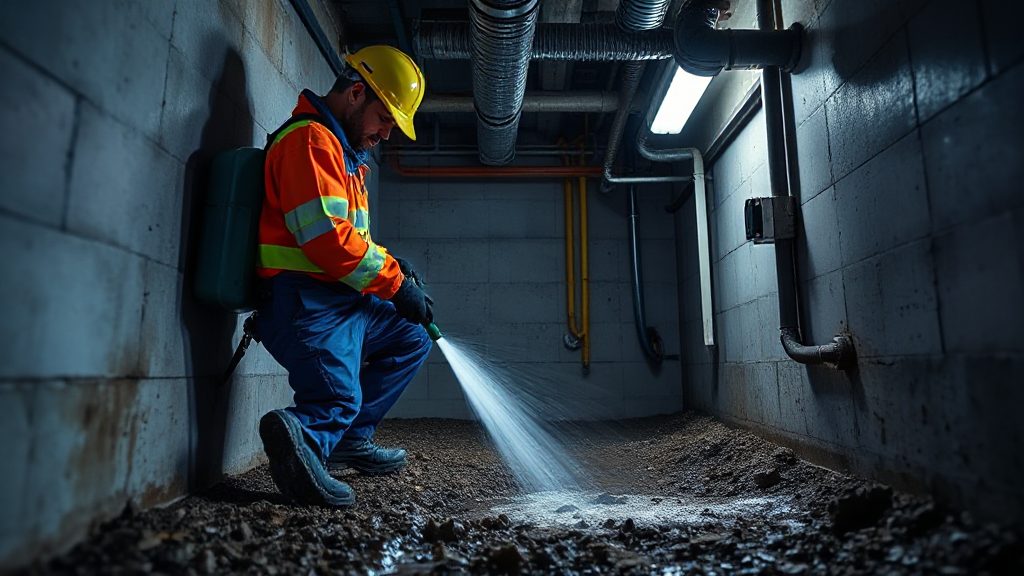
Clearing it properly requires more than a plunger. High-pressure jetting can scour the pipe walls, while a rotating cable can break up compacted plugs. The goal is not just to open a hole but to restore the full diameter of the pipe so water flows freely again.
Better habits for Campo Limpo kitchens and bathrooms
The most effective fix is prevention, and it starts with a few simple changes. None of them require special equipment, and all of them reduce the load on the sewer network.
- Never pour oil down the sink. Let it cool, pour it into a sealed container and put it in the rubbish, or take it to a collection point if one is available nearby.
- Wipe greasy pans before washing. A paper towel removes most of the fat so it does not reach the drain.
- Use a drain strainer. A simple mesh catch stops food scraps and hair at the source.
- Flush only toilet paper and human waste. Keep wipes, paper towels and hygiene products in the bin, even if the packet says flushable.
- Skip chemical cleaners for recurring clogs. If a drain blocks repeatedly, the cause is structural or a build-up that needs mechanical removal.
These habits are especially important in shared buildings, where one careless disposal can affect several families. A short conversation with neighbours or a note in the building entrance can make a real difference to the whole line.
When to stop guessing and call for help
Some signs mean the blockage is already beyond a home remedy: water backing up in more than one drain, a strong sewage smell in the bathroom, gurgling sounds after flushing, or a slow drain that returns within days. At that point, continuing to pour chemicals or plunge can push the problem deeper or damage fittings.
A professional service can locate the blockage, clear it with the right equipment and advise on whether the pipe needs repair. For residents in Capão Redondo, having a reliable contact for emergencies is part of responsible home management, not an overreaction.
A simple change of habit that protects the whole street
The sewer network under Campo Limpo and Capão Redondo is a shared piece of infrastructure. It works quietly as long as households send it only what it can carry. Grease, wipes and chemical cleaners are the three inputs that most often tip the balance from a functioning pipe to a blocked one.
Changing how you dispose of cooking oil and wet wipes is a small daily decision with a visible effect. It reduces the chance of a backup in your own kitchen, protects neighbours from overflows and eases the load on the city’s sewers. The next time you stand at the sink with a pan of oil, remember that the drain is not a bin — and that the health of the whole street begins with that one choice.